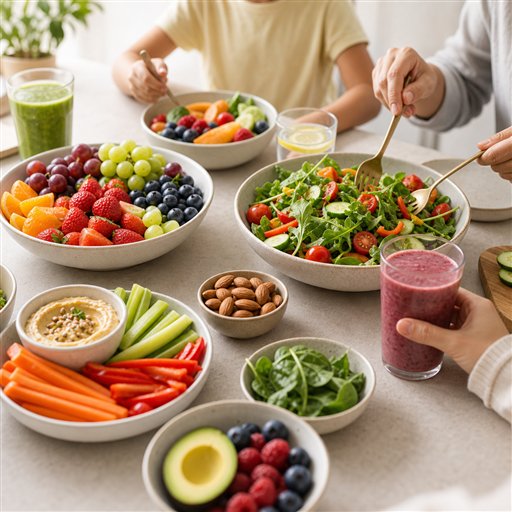
If you've ever tasted a vegetable dish and thought something's missing, you're not imagining it. Meat brings a deep, savory quality — what cooks call umami — and when you leave it out, you simply build that richness another way. The good news: you don't need fat, cream, or a long ingredient list to do it. A handful of humble pantry helpers can turn a pot of vegetables into something your whole family comes back for. Here are seven to keep close.
1. Dried Mushrooms
Mushrooms are one of nature's richest sources of savory flavor, and dried ones pack that quality into a concentrated little package. A small handful of dried porcini or shiitake — soaked, chopped, and stirred into a soup, stew, or grain dish — adds a deep, almost meaty backbone. Don't toss the soaking liquid, either: strain it and pour it in for an extra layer of flavor.
2. Tomato Paste
This is a quiet kitchen hero. Tomato paste is simply tomatoes cooked down until nearly all the water is gone, which concentrates their natural savory compounds. Stir a spoonful into the pan and let it cook for a minute until it darkens slightly — this little step coaxes out a rich, rounded depth that lifts sauces, chilis, and braises.
3. A Splash of Soy Sauce or Tamari
Made from fermented soybeans, soy sauce is salty, savory, and full of the same flavor-boosters that make food taste hearty. It isn't just for stir-fries — a small splash brings savory warmth to soups, beans, roasted vegetables, and grain bowls of every kind. If your family avoids gluten, reach for tamari, which delivers the same magic.
4. Toasted Nuts and Seeds
Nuts and seeds bring protein and healthy fats, but their real gift is texture and toastiness. A few minutes in a dry pan wakes up their flavor and adds a satisfying crunch to salads, grain dishes, and roasted vegetables. A loving tip: because their natural oils turn rancid quickly, store nuts and seeds in the freezer — they'll keep for months, and you can toast them straight from frozen.
5. A Finish of Citrus and Vinegar
Here's the secret restaurant cooks know: a dish often isn't missing salt — it's missing brightness. A squeeze of fresh lemon or lime, or a small drizzle of good red wine, balsamic, or sherry vinegar right before serving, makes every other flavor pop. Add it at the very end, off the heat, so the fresh, lively quality stays intact.
6. Fresh Herbs
A scattering of fresh parsley, cilantro, or basil turns a plain plate into something that tastes alive. Stir delicate herbs in at the last moment so they keep their color and fragrance. To make them last longer, gently rinse and dry them, wrap them in a damp paper towel, and tuck them into a partly open bag in the crisper drawer — basil being the exception, which prefers to stay dry until you need it.
7. Good Salt, Freshly Ground Pepper
It sounds almost too simple, but seasoning is everything — especially in plant-based cooking, where just a few ingredients carry the whole dish. Salt draws out the natural flavor of vegetables, and a little added as you cook (not just at the table) makes a real difference. For pepper, buy whole peppercorns and grind them fresh; the flavor fades fast once it's ground.
The Heart of the Lesson
Cooking without meat doesn't mean cooking without flavor — it just means reaching for a different toolkit. Keep these seven helpers within arm's reach, layer two or three into whatever you're making, and you'll find that a pot of simple vegetables can taste every bit as warm, rich, and satisfying as the meals you grew up on.
This post is for educational purposes only and is not intended as medical advice. Always consult a trusted health practitioner about your individual needs.
Build this into your week
Use AIM to turn whole-food ideas into family meals, snacks, and a ready-to-shop plan.
Build my meal plan