What GLP-1 actually does
GLP-1 (glucagon-like peptide-1) is a hormone released by special cells in your gut when you eat, peaking about 45–60 minutes after a meal. It does a lot of quietly helpful work:
- Prompts your body to release more insulin, which lowers blood sugar
- Reduces glucagon, a hormone that raises blood sugar
- Signals fullness so you're satisfied with less food
- Slows how quickly food leaves your stomach, extending that full feeling
Together, these actions lower blood glucose and curb appetite.
How the medications fit in
Drugs like semaglutide and tirzepatide — brand names including Ozempic, Mounjaro, Wegovy, and Zepbound — are synthetic GLP-1 receptor agonists. They mimic the natural hormone but resist the body's normal breakdown, so a single weekly injection lasts for days. Used alongside diet and exercise, they can improve A1c and support weight loss.
There's an important catch. In one clinical trial, people who stopped the medication without changing their eating and activity habits gradually regained the weight they'd lost, because their appetite returned to baseline. Lasting results depend on lifestyle changes. These medications can also carry side effects — gastrointestinal upset and, less commonly, more serious risks — which are worth discussing with a healthcare provider. (None of this is medical advice; decisions about medication belong with you and your clinician.)
How food raises your natural GLP-1
- Eat more fiber. Vegetables, fruit, legumes, and whole grains feed a diverse gut microbiome. As those bacteria ferment fiber, they produce short-chain fatty acids that stimulate GLP-1 release. Most Americans fall short on fiber; aim for at least 28 grams a day from a variety of sources.
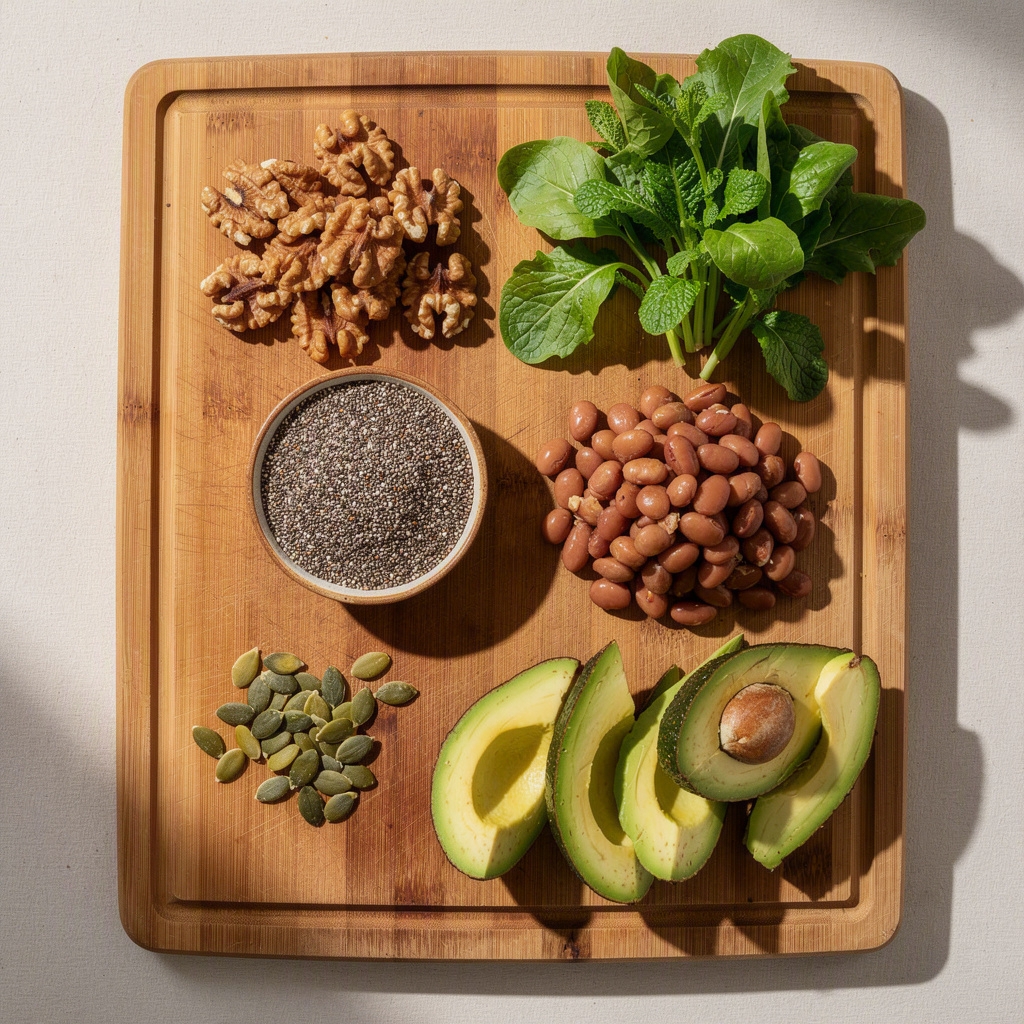
- Include protein and healthy fats. Certain amino acids and fats enhance GLP-1 secretion and slow stomach emptying. Think walnuts, pinto beans, chia and flax seeds, leafy greens, pumpkin and sunflower seeds — plus healthy fats from avocado, nuts, seeds, and olive oil.
- Move regularly and manage stress. Physical activity shapes the gut microbiome and, along with resistance training, has been shown to raise GLP-1 beyond diet alone. Aim for about 150 minutes of moderate activity a week, and use stress-reducing practices like breathing exercises or time outdoors.
- Protect your sleep. Poor sleep — especially untreated sleep apnea — is linked to reduced GLP-1 secretion.
The takeaway
Whether or not medication is part of someone's plan, the foundation is the same: fiber-rich whole foods, enough protein and healthy fat, regular movement, and good sleep all help your body do what it's designed to do. Small, consistent choices add up.
Let AIM help you take the first step
Our AI-powered meal planner builds around the fiber-rich, whole foods that support your body's natural GLP-1 and steady blood sugar.
Build my meal plan